Baby Animals Svg Bundle: A Designer’s Review for Embroidery Projects
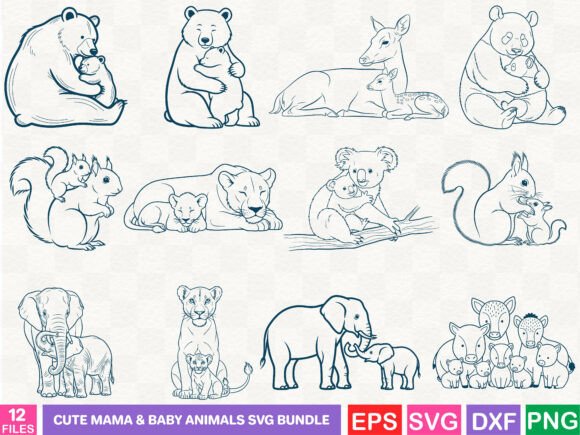
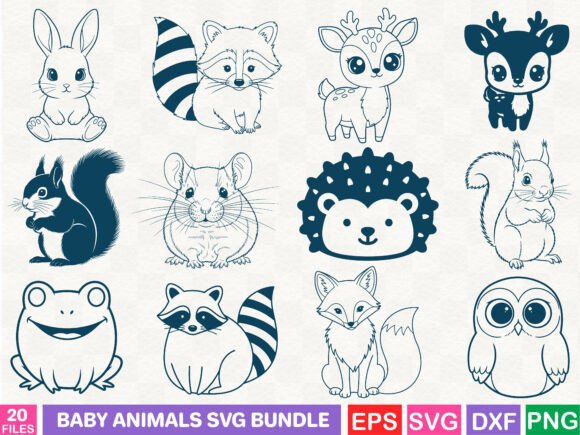
When I first opened the Baby Animals Svg Bundle, my immediate thought was, “This is a mood maker.” The collection radiates a gentle, playful charm that feels timeless rather than trendy. The shapes are classic and clean, with a level of detail that suggests they were drawn with an understanding of how lines translate into stitches. There’s a visual personality here that’s sweet without being saccharine, which is a crucial balance when creating products for real people, especially gifts.
The Natural Habitat: Where This Design Thrives
In my hands, the files felt destined for soft goods. I imagined them embroidered onto a cozy cotton sweatshirt or a canvas tote bag destined for a baby shower gift. The theme lends itself perfectly to nursery decor—think delicate corner motifs on a linen pillow cover or a single, smiling animal on a knitted baby blanket. As a small business owner, I could see these designs forming a cohesive collection for a boutique: a series of aprons, kitchen towels, or caps featuring different animals from the bundle, creating recognizable, branded merchandise.
For client projects, this bundle offers a versatile starting point. A customer requesting a personalized gift for a newborn could select their favorite animal, and it would translate beautifully into an embroidered patch on a baby jacket or a decorative accent on a keepsake blanket. The illustrative nature of the graphics means they carry a handmade presentation that elevates a simple item, increasing its perceived value and giftability.
Considering the Stitch: Practical Performance on Real Fabrics
Moving from the screen to the hoop is where design judgment really matters. The clean lines and generally open shapes in this bundle are a good sign for embroidery clarity. They suggest manageable stitch density, which is excellent for avoiding overly stiff areas on delicate fabrics like baby apparel or thin tea towels. However, the true test is always on the machine.
I would strongly advise testing any chosen design on scrap fabric first. This is non-negotiable. Check how the smaller details, like tiny ears or delicate facial features, hold up with your chosen thread and stabilizer combination. On textured fabrics like sweaters, or on curved surfaces like caps, you’ll want to ensure the design’s proportions remain clear and don’t get lost in the fabric’s hills and valleys. For dark fabric backgrounds, planning your thread color contrast is key—a pale animal on a navy blue tote will need bright, opaque threads to pop.
Where Caution is Needed: Making It Work Every Time
While the bundle is versatile, some applications require extra care. Embroidering onto stretchy fabric for t-shirts demands excellent stabilizer to prevent distortion. Very small hoop sizes might compromise the readability of the more detailed illustrations; scaling down too much could turn a charming fox into a blur. For products destined for frequent washing, like kitchen linens, opting for simpler designs from the bundle with fewer intricate corners might ensure longevity.
From a commercial perspective, using these graphics for printable mockups or digital product previews is straightforward. But before selling any finished physical item—an embroidered pillow at a craft fair or custom caps for an Etsy listing—you must confirm the licensing terms of the bundle. Never assume. Understanding whether the files are for personal use, commercial embroidery projects, or both is fundamental to your business integrity and customer trust.
The Professional Impact: Beyond the Single Project
Adopting a design bundle like this into your workflow affects more than just one sweatshirt. It influences your brand consistency. If these animals become part of your shop’s visual language, they create recognition and engagement. A customer who buys an embroidered tote with a rabbit from this bundle might later seek out your holiday gifts featuring the deer, building a connection to your craftsmanship.
The bundle’s strength is its cohesion. It allows you to offer variety without sacrificing a professional, curated feel. For an apparel decorator, this means you can propose a range of options to a client for their baby embroidery line without scrambling to source mismatched designs. It streamlines your process and elevates the final product lineup.
A Designer’s Final Notes Before Hooping
My review is always practical. So, here’s my checklist for using the Baby Animals Svg Bundle in a real project:
- Test First: Run your chosen embroidery file on a scrap of your target fabric. Observe the satin stitch borders or fill stitch areas.
- Check Scale: Ensure the design works at your intended hoop size. Inspect small details for clarity.
- Plan for Background: Test the design in a simple black-and-white mockup to see its form, then compare how your thread colors will look on both light and dark fabric backgrounds.
- Consider the End Product: Is this for a delicate baby item needing soft stitching, or a robust tote bag that can handle denser embroidery? Match the design choice to the product’s use.
- Confirm Licensing: Verify the terms for your use case—personal gift or commercial embroidery asset for your small shop product.
Ultimately, this bundle feels like a reliable toolkit. It doesn’t promise unrealistic, hyper-detailed scenes that would be nightmares to stitch. Instead, it offers charming illustrations that, with proper embroidery technique, will translate into finished products that look intentional, well-crafted, and genuinely delightful. That’s the kind of design asset that supports both hobbyists making personalized gifts and creative entrepreneurs building their craft business. It’s about turning a digital file into something tangible that holds its value, stitch by stitch.